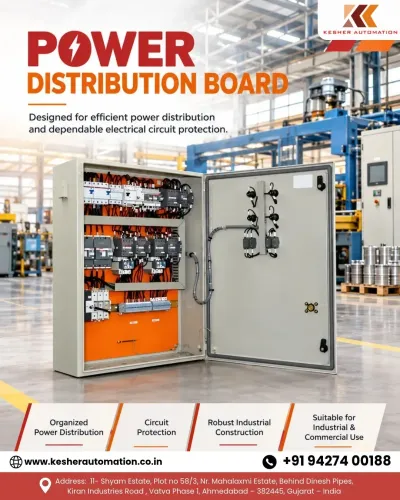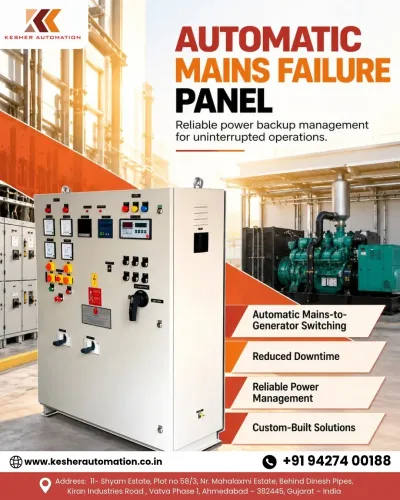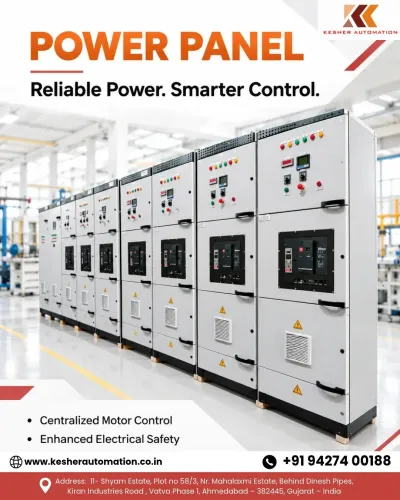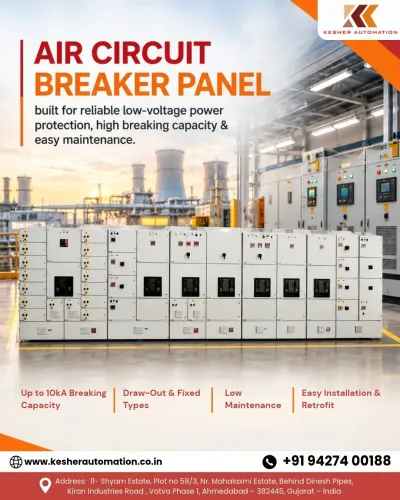
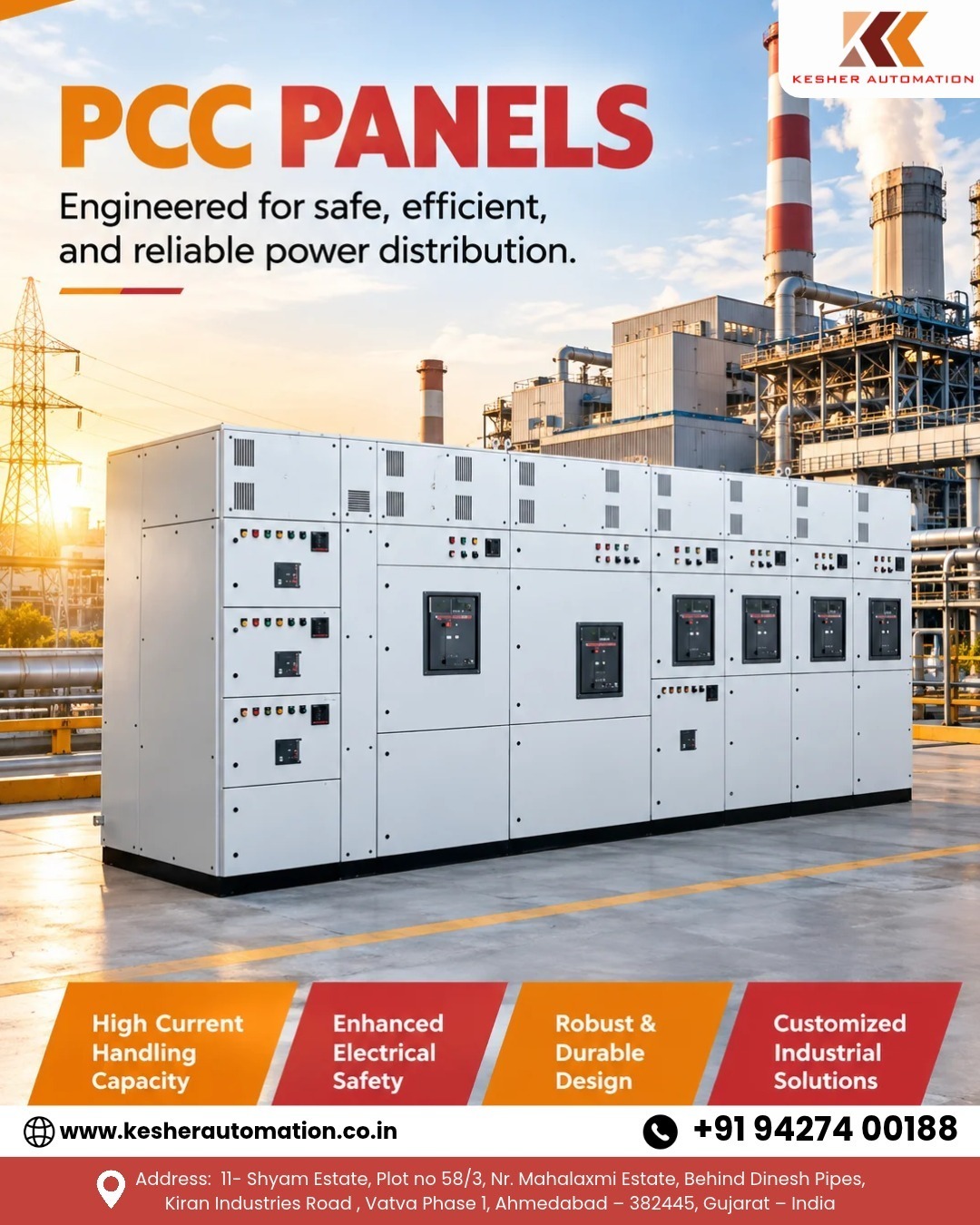
PCC panels (Power Control Centre panels) are essential electrical assemblies that safely and efficiently distribute electrical power across industrial and commercial facilities. They help manage high-current loads, provide circuit protection, and supply electricity to machinery, equipment, and downstream distribution systems.
PCC panels are commonly used in manufacturing plants, factories, processing facilities, warehouses, and infrastructure projects. A properly designed industrial PCC panel supports organised power distribution, simplifies electrical monitoring, and helps maintain reliable industrial operations.
Kesher Automation offers industrial automation and electrical solutions for a range of commercial and industrial needs. If you are searching for a PCC Panels Manufacturer in Ahmedabad, understanding the components, benefits, applications, and selection criteria can help you make an informed purchasing decision.
What Are PCC Panels?
A PCC panel, also known as a Power Control Centre panel, is an electrical assembly that receives power from a suitable source, such as a transformer or generator, and distributes it to multiple outgoing electrical circuits.
It generally includes circuit breakers, busbars, metering instruments, switching devices, protective relays, and other electrical components. The panel configuration depends on the connected load, voltage requirements, fault levels, and installation conditions.
An industrial PCC panel is particularly useful in facilities where multiple machines and electrical systems require centralised power distribution and protection.
Businesses looking for a PCC Panels Supplier in Gujarat should consider electrical ratings, component quality, safety features, enclosure design, and suitability for their specific applications.
What Are the Main Components of PCC Panels?
PCC panels contain several components that work together to manage electrical power and protect connected systems.
1. Circuit Breakers
Circuit breakers interrupt electrical circuits under specified fault conditions. Depending on the panel design and load requirements, these may include air circuit breakers (ACBs), moulded case circuit breakers (MCCBs), and other suitable protective devices.
2. Busbar System
Busbars are conductive metal bars that distribute electrical power within the panel. Their current-carrying capacity and short-circuit withstand ratings must match the electrical system requirements.
3. Metering Instruments
Electrical meters monitor parameters such as voltage, current, power, and energy consumption. These instruments help facility operators understand electrical performance and identify unusual operating conditions.
4. Protection and Control Devices
Protective relays, control switches, indicator lamps, and related devices support monitoring, switching, and protection functions.
5. Panel Enclosure
The enclosure houses electrical components and provides mechanical protection. Its construction and ingress protection rating should suit the installation environment.
6. Cable Terminals and Connections
Incoming and outgoing cables provide the electrical connections needed to carry power between the panel and the connected equipment. Correct conductor sizing, secure termination, and proper identification are important for safe operation.
7. Earthing System
A properly designed and installed protective earthing system provides a path for fault current and helps reduce the risk of electric shock.
The final component selection depends on the panel's intended function, electrical ratings, protection requirements, and applicable standards.
What Are the Benefits of PCC Panels?
Installing a properly designed PCC electrical panel offers several advantages for industrial and commercial facilities.
1. Organised Power Distribution
PCC panels distribute electricity from a main supply to multiple outgoing feeders, making it easier to manage power across different sections of a facility.
2. High-Current Handling Capacity
Depending on their design and ratings, PCC panels can support the substantial electrical loads required by industrial machinery, production lines, and heavy-duty equipment.
3. Improved Electrical Safety
Suitable circuit breakers and safety devices disconnect circuits when faults occur, helping protect electrical equipment from potential damage.
4. Centralised Electrical Monitoring
Integrated metering instruments allow operators to monitor electrical parameters and support effective energy and load management.
5. Easier Maintenance and Troubleshooting
Clearly organised components and identified circuits can help qualified electrical professionals inspect the system, diagnose faults, and perform maintenance more efficiently.
6. Customizable Industrial Solutions
PCC panels can be configured according to required current ratings, incoming supplies, outgoing feeders, metering needs, and site conditions.
7. Reliable Industrial Operations
A properly engineered, installed, and maintained PCC panel supports dependable electrical distribution and consistent equipment operation.
Safety note: Qualified professionals must design, assemble, test, install, and maintain PCC panels. Appropriate short-circuit ratings, protection coordination, earthing, and compliance with applicable electrical standards are essential.
What Are the Industrial Applications of PCC Panels?
PCC panels for industrial applications are used wherever electrical power must be distributed to multiple machines, systems, or operational areas.
Common applications include:
* Manufacturing Plants: Distributing electricity to production machinery and industrial equipment.
* Process Industries: Supplying power to pumps, compressors, and processing systems.
* Chemical and Pharmaceutical Facilities: Supporting appropriately designed industrial electrical distribution systems.
* Water Treatment Plants: Distributing power to pumps and related equipment.
* Commercial Buildings: Managing electrical supplies for building services and equipment.
* Warehouses and Logistics Facilities: Supplying power to material-handling systems and operational equipment.
* Infrastructure Projects: Supporting electrical distribution in suitable industrial and infrastructure installations.
* Industrial Automation Systems: Supplying power to compatible downstream distribution panels and machinery.
The appropriate PCC panel configuration depends on the connected loads, operating environment, power requirements, and required protection arrangements.
How to Choose the Right PCC Panels for Your Industry?
Selecting the right industrial PCC panels is critical for electrical safety, operational reliability, and future expansion.
Consider the following factors before purchasing:
1. Current Rating: Determine the expected load and required breaker and busbar ratings.
2. Voltage Rating: Ensure compatibility with the incoming electrical supply.
3. Short-Circuit Rating: Verify that the assembly and protective devices are suitable for the prospective fault current.
4. Incoming and Outgoing Feeders: Identify the number and ratings of circuits required.
5. Protection Devices: Select suitable ACBs, MCCBs, relays, and other protective components.
6. Metering Requirements: Decide which electrical parameters need to be monitored.
7. Enclosure Protection: Consider dust, moisture, temperature, ventilation, and installation conditions.
8. Future Expansion: Allow for anticipated additional loads where practical.
9. Standards and Testing: Verify compliance with applicable electrical standards and appropriate assembly testing.
10. Technical Support: Review the availability of documentation, maintenance guidance, and after-sales assistance.
Consulting a qualified electrical engineering professional can help ensure that the selected panel meets the facility's technical and safety requirements.
Why Choose Kesher Automation for PCC Panels?
Kesher Automation provides industrial automation and electrical solutions for commercial and industrial requirements. Its PCC panel promotion highlights high-current handling capacity, enhanced electrical safety, robust construction, and customised industrial solutions.
When evaluating a PCC Panels Manufacturer in Ahmedabad, consider the panel design, component specifications, electrical ratings, testing documentation, and suitability for your application.
If your business needs a PCC Panels Supplier in Gujarat or is comparing options for an industrial power distribution project, contact Kesher Automation to discuss your requirements and confirm available solutions.
Frequently Asked Questions (FAQs)
1. What are PCC panels used for?
PCC panels receive electrical power from a suitable source and distribute it to multiple outgoing feeders, machines, and electrical systems in industrial and commercial facilities.
2. What does PCC stand for in electrical panels?
PCC stands for Power Control Centre. PCC panels are primarily designed for main electrical power distribution, switching, metering, and circuit protection.
3. What are the main components of PCC panels?
Common components include circuit breakers, busbars, metering instruments, protective relays, control devices, cable terminals, an enclosure, and protective earthing arrangements.
Keywords