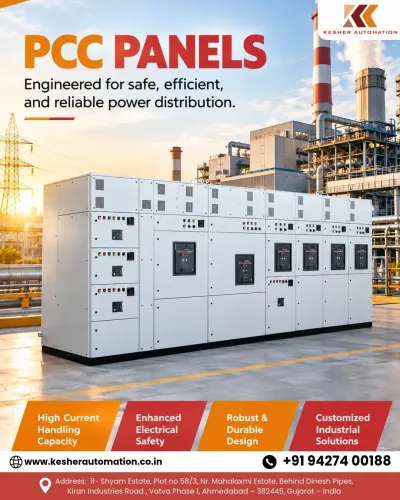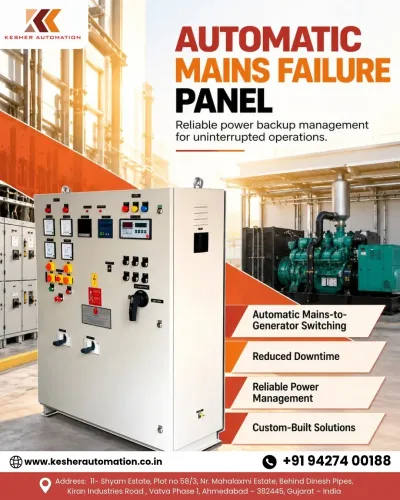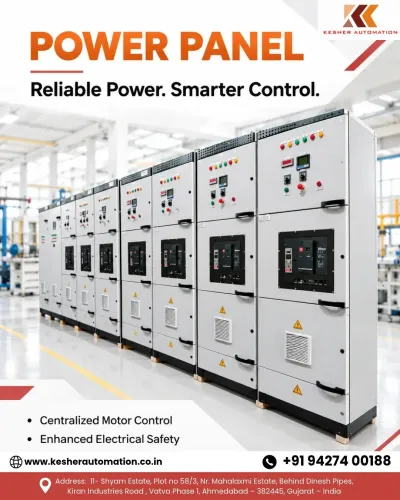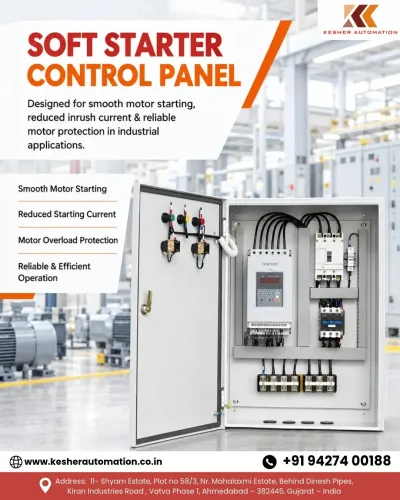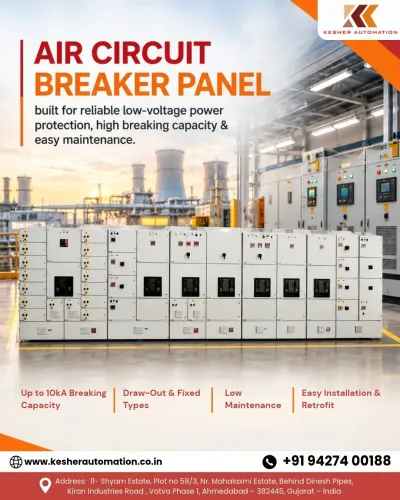
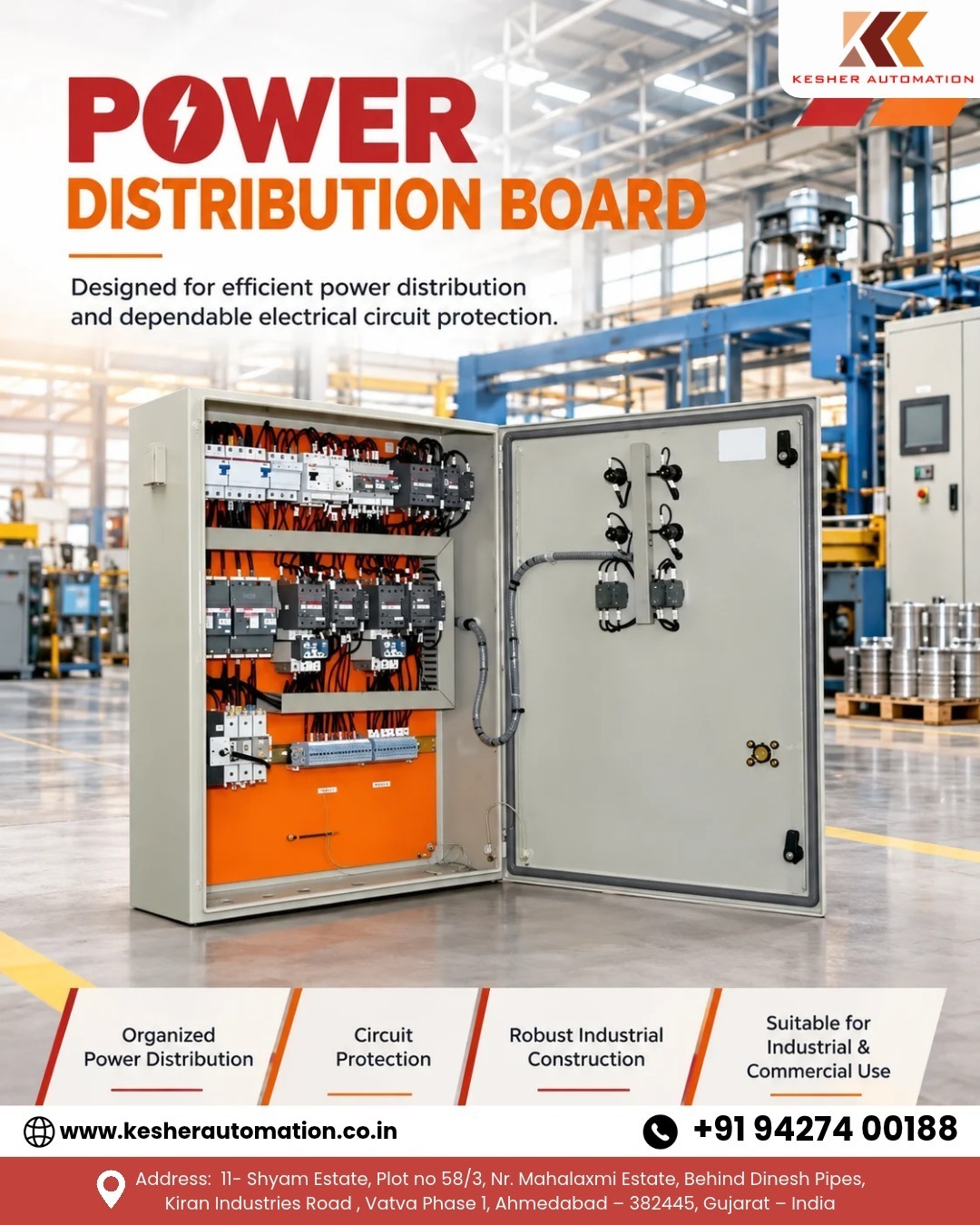
A power distribution board is an essential electrical assembly that distributes electricity to multiple circuits, machines, and equipment while providing appropriate switching and circuit protection. Factories, commercial buildings, manufacturing plants, warehouses, and industrial facilities widely use them for safe, organised electrical distribution.
Kesher Automation provides industrial automation and electrical solutions designed to support organised power distribution, dependable circuit protection, and reliable operation. Selecting the right power distribution board helps businesses manage electrical loads, protect connected equipment, and simplify maintenance.
If you are looking for a power distribution board manufacturer in Ahmedabad, understanding the board's components, benefits, applications, and selection criteria can help you make an informed purchasing decision.
What Is a Power Distribution Board?
A power distribution board is an electrical enclosure that receives power from an incoming supply and distributes it to multiple outgoing circuits. It contains switching and protective devices that help control electrical power and respond to specified fault conditions.
An industrial power distribution board may include miniature circuit breakers (MCBs), moulded case circuit breakers (MCCBs), busbars, switches, terminal blocks, and protective earthing arrangements. Its configuration depends on the electrical load, installation environment, and application requirements.
A properly designed electrical distribution board helps organise wiring, manage connected loads, and support safe electrical operation.
Businesses searching for a power distribution board supplier in Gujarat should evaluate electrical ratings, protection requirements, enclosure design, component quality, and compliance with applicable standards before purchasing.
What Are the Main Components of a Power Distribution Board?
A power distribution board includes several components that work together to distribute electricity and protect circuits.
1. Circuit Breakers
Circuit breakers interrupt electrical circuits under specified fault conditions, such as overcurrent. Select MCBs and MCCBs based on circuit ratings and protection requirements.
2. Busbars
Busbars are conductive metal bars that distribute electrical power to different circuits within the board. Their current-carrying capacity must match the electrical system's requirements.
3. Enclosure
The enclosure houses the electrical components and protects them against accidental contact and environmental conditions. The required enclosure protection rating depends on the installation location.
4. Switches and Isolators
Switches and isolators let you disconnect electrical circuits or equipment when needed. Proper selection and safe isolation procedures are important during maintenance.
5. Wiring and Terminal Blocks
Internal wiring and terminal blocks connect the incoming supply, protective devices, and outgoing circuits. Correct wire sizing, termination, and circuit identification help maintain a reliable electrical system.
6. Earthing Arrangements
Proper earthing provides a path for fault current and, when designed and installed correctly, reduces the risk of electric shock.
The components used in a power distribution board vary depending on the required voltage, current capacity, number of circuits, and installation conditions.
What Are the Benefits of a Power Distribution Board?
A properly designed industrial power distribution board offers several advantages for commercial and industrial facilities.
1. Organised Power Distribution
A distribution board divides the incoming electrical supply among multiple circuits, making it easier to manage power for machinery, lighting, and other equipment.
2. Improved Circuit Protection
Appropriately selected protective devices help disconnect circuits during specified electrical faults, reducing the risk of damage to wiring and connected equipment.
3. Simplified Maintenance
Organised wiring and clearly identified circuits help qualified electricians inspect equipment, troubleshoot faults, and perform maintenance more efficiently.
4. Reliable Industrial Operation
A properly designed and installed board meets the electrical requirements of connected machinery and supports reliable facility operations.
5. Flexible Configuration
Power distribution boards can be designed with different current ratings, circuit arrangements, and enclosure types to suit particular installation requirements.
6. Better Electrical Management
Proper circuit identification and load distribution make it easier for facility operators to understand how electrical power is supplied throughout the building or plant.
For safe operation, qualified professionals must design, install, test, and maintain the board, with appropriate protection coordination, fault ratings, and earthing arrangements.
What Are the Industrial Applications of Power Distribution Boards?
An industrial power distribution board is used wherever electricity needs to be distributed to multiple circuits and equipment.
Common applications include:
* Manufacturing Plants: Distributes power to production machinery and supporting equipment.
* Commercial Buildings: Supplies electricity to lighting, sockets, and designated circuits.
* Warehouses: Supports electrical distribution for lighting and operational equipment.
* Industrial Automation Systems: Supplies appropriately protected power to compatible machinery and control systems.
* Processing Facilities: Distributes power to processing equipment and auxiliary systems.
* Workshops: Organises electrical supplies for machines, tools, and other equipment.
* Infrastructure Projects: Supports electrical distribution in commercial and industrial installations.
The appropriate board configuration depends on connected loads, supply characteristics, environmental conditions, and required protection levels.
How to Choose the Right Power Distribution Board?
Choosing the right electrical distribution board is important for electrical safety, operational reliability, and future expansion.
Consider these factors before purchasing:
1. Voltage Rating: Ensure it matches the incoming supply voltage.
2. Current Capacity: Select appropriate ratings for the expected load and possible future requirements.
3. Number of Circuits: Determine how many outgoing circuits are required.
4. Protection Devices: Select suitable MCBs, MCCBs, and other protective devices based on the system design.
5. Short-Circuit Rating: Confirm that the assembly and protective devices are suitable for the prospective fault current.
6. Enclosure Protection: Consider dust, moisture, temperature, and the installation environment.
7. Wiring and Earthing: Ensure correct conductor sizing, proper termination, and protective earthing.
8. Standards and Compliance: Check applicable electrical regulations and relevant standards.
9. Maintenance Access: Choose a configuration that allows safe inspection and servicing.
An experienced electrical and automation professional can help you determine the right specifications for your facility.
Why Choose Kesher Automation for Power Distribution Boards?
Kesher Automation focuses on industrial automation and electrical solutions for commercial and industrial requirements. Its power distribution board offering highlights organised power distribution, circuit protection, robust industrial construction, and suitability for industrial and commercial use.
If you are comparing options for the best power distribution board in Ahmedabad, evaluate the technical specifications, component selection, protection arrangements, documentation, and support available for your application.
Kesher Automation can help you discuss your electrical distribution requirements and confirm whether its solutions are available and suitable.
Frequently Asked Questions (FAQs)
1. What is the main purpose of a power distribution board?
A power distribution board distributes incoming electrical power to multiple outgoing circuits while providing appropriate switching and circuit protection.
2. What are the main components of a power distribution board?
Common components include circuit breakers, busbars, an enclosure, switches, isolators, wiring, terminal blocks, and protective earthing arrangements. The exact configuration depends on the application.
3. What is the difference between a power distribution board and a control panel?
A power distribution board primarily distributes electrical power and provides circuit protection. A control panel manages or automates equipment using components such as contactors, relays, controllers, and other control devices. Some industrial assemblies combine both functions.
Keywords